
Top flight schools in Florida: Pros and cons

Florida is a premier destination for aspiring pilots, thanks to its favorable weather and a wide array of top-notch flight schools. Choosing the right school is crucial as it can significantly impact your training and career prospects. Here’s a detailed look at some of the best flight schools in Florida, including their advantages and potential drawbacks. 1. Embry-Riddle Aeronautical University Location: Daytona Beach Overview: Embry-Riddle is renowned globally for its aviation programs, offering everything from private pilot training to advanced degrees in aviation. Pros: World-Renowned: Highly esteemed for its comprehensive and high-quality education. Diverse Programs: Offers a wide range of programs, including bachelor’s and master’s degrees. State-of-the-Art Facilities: Modern aircraft and excellent training facilities. Experienced Instructors: Learn from industry veterans with extensive knowledge. Networking Opportunities: Strong industry connections can aid in job placement. Cons: Cost: Tuition and fees can be high. Size: The large campus may feel overwhelming to some students. Location: Daytona Beach is somewhat isolated compared to other parts of Florida. 2. ATP Flight School Locations: Jacksonville, Fort Lauderdale, Tampa Overview: ATP Flight School is known for its accelerated programs, designed to fast-track students from zero experience to airline-ready pilots. Pros: Speed: Quick-track programs get you trained faster. Structured Curriculum: Well-organized training plans and lessons. Multiple Locations: Choose a location that suits you. Airline Connections: Strong ties with airlines for job placement. Modern Simulators: Cutting-edge simulators for thorough training. Cons: Intensive Schedule: The fast-paced training might be challenging for some. Cost: Programs can be expensive, particularly the accelerated ones. Standardization: Less individual training due to the structured nature of the program. 3. FlightSafety Academy Location: Vero Beach Overview: Part of FlightSafety International, FlightSafety Academy offers top-tier training with a focus on high standards and advanced technology. Pros: Industry Leader: Known for rigorous training standards. Experienced Instructors: Learn from highly qualified professionals. Modern Technology: State-of-the-art simulators and teaching tools. Global Reputation: Internationally recognized, which can be beneficial for job prospects. Comprehensive Training: Offers a wide range of training options. Cons: Cost: Training can be quite pricey. Location: Vero Beach is a small town, which might not appeal to everyone. Intensity: High standards and rigorous training may be demanding. 4. L3Harris Flight Academy Location: Sanford Overview: L3Harris Flight Academy offers extensive pilot training programs with a focus on both domestic and international students. Pros: Comprehensive Programs: Covers all aspects of pilot training from private to airline transport pilot. Modern Facilities: Excellent facilities and well-maintained aircraft. Global Reach: Internationally recognized with strong industry ties. Advanced Simulations: Realistic simulation experiences. Diverse Student Body: Learn alongside students from around the world. Cons: Cost: Can be expensive. Large Classes: May feel less personalized due to larger class sizes. Location: Sanford is a smaller town, which some might find less appealing. 5. Pan Am International Flight Academy Location: Miami Overview: With a long-standing legacy in aviation training, Pan Am International Flight Academy offers a variety of pilot training programs. Pros: Legacy: Established reputation in aviation training. Varied Programs: Offers various training options, including type ratings and ATP certification. Experienced Instructors: Learn from seasoned professionals. Advanced Simulators: High-quality simulators for diverse aircraft types. Prime Location: Located in vibrant Miami with ample amenities. Cons: Cost: Training can be on the higher end. Large Facility: The size might detract from the personalized experience. Weather: Miami’s weather can be unpredictable, with frequent storms. 6. Sunrise Flight Academy Location: Ormond Beach Overview: Sunrise Flight Academy is known for its personalized training and friendly environment. Pros: Personalized Training: One-on-one instruction and small class sizes. Community Feel: A supportive and close-knit training environment. Experienced Instructors: Dedicated instructors focused on student success. Cost: Typically more affordable compared to larger institutions. Location: Offers a peaceful and less hectic environment in Ormond Beach. Cons: Smaller Facility: Fewer resources compared to larger schools. Limited Advanced Training: Fewer advanced training options available. Location: Ormond Beach is quieter and may have fewer amenities. When selecting a flight school, consider your personal preferences, career goals, and budget. Each of these schools in Florida offers unique benefits and potential drawbacks. Whether you seek a prestigious university like Embry-Riddle, an accelerated program at ATP Flight School, or a personalized experience at Sunrise Flight Academy, Florida has a school that can help you achieve your aviation dreams. Explore these options, visit the schools, and find the best fit for your needs. Enjoy your journey to becoming a pilot!
Maintaining mental and physical well-being

Taking care of both your physical and mental health is crucial for a happy and fulfilling life. Balancing the demands of daily life can be challenging, but prioritizing your well-being can significantly enhance your quality of life. Here’s a comprehensive guide to help you maintain both your physical and mental health. Why Mental and Physical Health Matter Enhanced Mood: Good health contributes to a more positive and joyful outlook. Increased Productivity: A healthy body and mind improve your ability to perform daily tasks effectively. Improved Relationships: Healthy individuals tend to have better relationships with family and friends. Greater Resilience: Strong mental and physical health helps you cope with stress and recover from setbacks. How to Maintain Mental Health Stay Connected Reach Out: Regularly spend time with friends and family. Make phone calls, send texts, or arrange meet-ups. Join Groups: Participate in clubs, community groups, or online forums that align with your interests. Volunteer: Helping others can provide a sense of purpose and improve your own mental well-being. Practice Mindfulness Meditation: Dedicate a few minutes each day to meditate, focusing on your breath and letting go of stress. Deep Breathing: Engage in deep breathing exercises to calm your mind and body. Gratitude Journal: Write down things you’re thankful for to foster a positive mindset. Keep Active Exercise Regularly: Aim for at least 30 minutes of moderate exercise most days, such as walking, swimming, or biking. Try New Activities: Explore different activities like yoga, dancing, or hiking to keep your routine interesting. Daily Movement: Incorporate physical activity into your daily routine, such as taking the stairs or walking during breaks. Get Adequate Sleep Consistent Schedule: Go to bed and wake up at the same time each day, even on weekends. Create a Relaxing Environment: Ensure your bedroom is comfortable and free of distractions, like electronic devices. Avoid Stimulants: Limit caffeine and heavy meals close to bedtime. Manage Stress Identify Stressors: Recognize the sources of your stress and address them proactively. Take Breaks: Incorporate regular breaks into your day to recharge and prevent burnout. Seek Support: Talk to friends, family, or a mental health professional if you’re feeling overwhelmed. Tips for Maintaining Physical Health Eat a Balanced Diet Varied Nutrition: Incorporate a variety of fruits, vegetables, whole grains, and lean proteins into your meals. Stay Hydrated: Drink plenty of water throughout the day. Limit Processed Foods: Reduce intake of sugary snacks, processed foods, and unhealthy fats. Stay Active Plan Exercise: Engage in different types of exercise, such as aerobic, strength training, and flexibility exercises. Active Lifestyle: Find opportunities for movement throughout the day, like walking or biking instead of driving. Regular Routine: Establish a consistent exercise routine that fits your lifestyle. Regular Check-Ups Annual Exams: Schedule regular check-ups with your healthcare provider to monitor your health. Preventive Screenings: Stay up-to-date with screenings for conditions such as cancer, high blood pressure, and diabetes. Avoid Harmful Habits Quit Smoking: Eliminate smoking to reduce the risk of various health issues, including cancer and heart disease. Limit Alcohol: Consume alcohol in moderation. Avoid Substance Abuse: Refrain from using controlled or illegal substances. Balancing Mental and Physical Health Set Achievable Goals: Establish small, attainable goals for improving your diet, exercise, and stress management. Track Progress: Monitor your progress and celebrate small victories along the way. Engage in Enjoyable Activities: Choose activities that you enjoy to make maintaining your health more enjoyable. Incorporate Variety: Change up your routine to keep it interesting and prevent boredom. Listen to Your Body: Rest when needed and avoid overexerting yourself, especially if you’re feeling unwell. Seek Balance: Ensure a good work-life balance and engage in activities that support both your mind and body, such as yoga or tai chi. Maintaining both mental and physical health involves making consistent, small changes that collectively enhance your well-being. By staying connected, being mindful, staying active, eating well, getting enough sleep, managing stress, and avoiding harmful habits, you can lead a balanced and fulfilling life. Prioritize your health and happiness each day, and remember that every small step counts.
Emergency procedures every pilot should know
Flying comes with its own set of duties and risks. Being prepared for emergencies is crucial for ensuring the safety of everyone on board and the aircraft itself. Here’s a comprehensive guide on how to handle common in-flight emergencies effectively. Why Emergency Procedures Are Crucial Maintain Calm: Knowing what to do in an emergency helps you stay composed under pressure. Act Quickly: A well-rehearsed plan enables prompt and correct action. Ensure Safety: Proper procedures increase the likelihood of a safe outcome. Key Emergency Procedures 1. Engine Failure During Takeoff: Before V1 (Decision Speed): Abort takeoff: Throttle back, apply brakes, and safely stop the aircraft. After V1: Continue the takeoff: Maintain control, climb out, and follow engine failure procedures. Feather the propeller if necessary and adjust power settings. In the Air: Stay Calm: Pitch for the best glide speed and maintain control. Select a Landing Site: Identify a suitable location within gliding distance. Troubleshoot: Check fuel tanks and switches, adjust mixture and throttle, and attempt an engine restart if feasible. Communicate: Declare an emergency with ATC by saying “Mayday, Mayday, Mayday.” Squawk 7700 on the transponder. Prepare for Landing: Follow emergency landing procedures and make necessary preparations. 2. Onboard Fire In the Air: Engine Fire: Reduce power to idle. Turn off the fuel supply and master switch. Close heat and air vents in the cabin. Plan for an emergency landing. On the Ground: Engine Fire: Bring the aircraft to a stop. Turn off the fuel and master switch. Evacuate the aircraft and use a fire extinguisher if available. Electrical Fire: Turn off the master switch and all non-essential electrical systems. Use a fire extinguisher for small fires. Ventilate the cabin by opening doors and windows. Prepare for an emergency landing. 3. Electrical Failure Check Circuit Breakers: Reset any tripped breakers if safe. Conserve Power: Turn off non-essential electrical devices. Use Backup Instruments: Rely on manual or backup flight instruments if available. Communicate: Inform ATC about the situation. Use a portable radio if available. Navigation: Use visual navigation methods if electronic systems are unavailable. 4. Rapid Decompression Oxygen Masks: Don oxygen masks immediately. Descend: Initiate an emergency descent to below 10,000 feet. Communicate: Notify ATC of the emergency. Monitor Passengers: Ensure passengers are using oxygen masks and are safe. 5. Bird Strike Stay Calm: Maintain control of the aircraft. Check for Damage: Assess the engine, control surfaces, and instruments for any immediate issues. Return Safely: If the aircraft is still flyable, return to the nearest airport. Communicate: Report the bird strike to ATC. 6. Emergency Descent Initiate Descent: Reduce power and lower the nose to expedite descent. Communicate: Notify ATC of your emergency descent. Monitor Airspeed: Ensure airspeed remains within safe limits during descent. Level Off: Once at a safe altitude, level the aircraft and stabilize. Conclusion Emergency procedures are a vital part of pilot training and should be practiced regularly. By staying calm, thinking clearly, and following established procedures, you can manage emergencies effectively and ensure the safety of everyone on board. Always keep your emergency checklist handy and review your procedures frequently to stay prepared for any situation. Safe flying!
Essential Pre-Flight Checks: A Pilot’s Guide
Pre-flight checks are a crucial aspect of aviation, ensuring that every flight is safe and that the aircraft is in optimal condition. Regardless of your level of experience, thorough pre-flight checks are essential for a successful and secure flight. This guide covers the key steps and why they are important. Why Pre-Flight Checks Are Important Safety: Identifying potential issues before takeoff ensures that the aircraft is in a safe condition to fly. Performance: Ensures the aircraft is in good shape for optimal performance during the flight. Regulatory Compliance: Adhering to aviation regulations requires following pre-flight checklists. Confidence: Comprehensive checks provide peace of mind, allowing you to focus on flying. Overview of Pre-Flight Checks Pre-flight checks can be categorized into paperwork, external inspections, internal inspections, and engine startup procedures. Here’s a detailed look at each category: 1. Paperwork Before approaching the aircraft, ensure all necessary documentation is in order: Pilot’s License: Verify that your license is current. Medical Certificate: Ensure your medical certificate is valid. Aircraft Documents: Confirm that the aircraft’s registration, airworthiness certificate, and operating manual are onboard and up-to-date. Flight Plan: Prepare and file your flight plan if required. Weather Briefing: Obtain a current weather briefing to understand the weather conditions for your flight. 2. External Inspection Conduct a thorough walk-around to inspect the aircraft’s exterior: Fuselage: Check for dents, cracks, or any visible damage. Ensure windows and doors are properly closed and latched. Wings: Inspect for damage or contaminants such as ice or dirt. Ensure ailerons and flaps are functional and not damaged. Verify that fuel tanks are adequately filled and caps are secure. Look for any fuel leaks. Empennage (Tail Section): Examine the horizontal and vertical stabilizers for damage. Ensure the elevator and rudder are functioning correctly. Landing Gear: Check tires for proper inflation and wear. Inspect brakes and brake lines. Verify that struts are clean and free of leaks. Spinner and Propeller: Inspect propeller blades for cracks, nicks, or other damage. Ensure the spinner is secure and intact. Engine Compartment: Check oil level and look for leaks. Inspect belts and hoses for wear or damage. Lights: Confirm that navigation and strobe lights are operational. 3. Internal Inspection After inspecting the exterior, turn your attention to the aircraft’s interior: Cockpit: Ensure flight controls are free and functioning properly. Check that all instruments are operational and correctly set. Verify that circuit breakers are in the correct position. Confirm that seats and seatbelts are secure and in good condition. Power System: Turn on the master switch and check that all electrical systems are functioning. Test electronics and avionics to ensure they are working. Fuel System: Verify that the fuel selector is set to the correct tank. Ensure the fuel mixture is adjusted for engine start. Emergency Equipment: Check that the fire extinguisher is charged and easily accessible. Ensure the first-aid kit is stocked and available. Confirm that the Emergency Locator Transmitter (ELT) is turned on and functioning. 4. Engine Start and Run-Up The final steps before takeoff involve starting the engine and performing a run-up: Engine Start: Set the throttle to the appropriate setting. Apply the brakes and engage the starter. Monitor engine readings during startup. Warm-Up: Allow the engine to warm up at idle speed. Check engine gauges for proper oil pressure, temperature, and other indicators. Run-Up: Increase power to the run-up RPM and monitor engine performance. Test each magneto to ensure proper operation. Verify the carburetor heat system is functioning. Check vacuum and ammeter readings to ensure normal operation. Final Checks: Recheck flight controls for smooth operation. Ensure all instruments are properly set and operational. Adjust the trim for takeoff. Confirm that the aircraft is ready for takeoff. In Conclusion Pre-flight checks are fundamental to ensuring a safe and successful flight. By meticulously following these procedures, you can identify and address potential issues before they become serious problems. These checks not only ensure regulatory compliance but also provide confidence and peace of mind. Remember, thorough preparation is key to a safe and enjoyable flying experience. Safe travels and happy flying!
Transitioning from single-engine to multi-engine aircraft
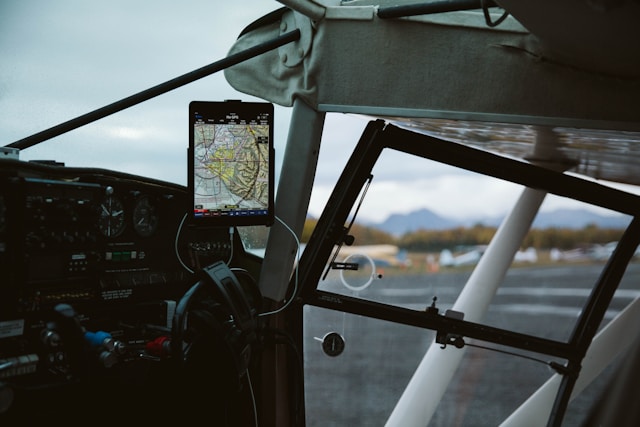
Flying an airplane is an exhilarating experience. As you advance in your piloting skills, you might consider transitioning from single-engine to multi-engine aircraft. This change opens up new opportunities and challenges. If you’re interested in this step, here is a thorough guide to help you navigate the process smoothly. Why Switch to Multi-Engine Aircraft? Pilots choose to transition to multi-engine planes for several reasons: More Career Opportunities: A multi-engine rating is required for many commercial, corporate, and charter pilot positions. Improved Performance: Multi-engine planes can climb higher, fly faster, and carry more weight than single-engine planes. Safety and Redundancy: Having two engines can be safer, providing backup if one engine fails. Advanced Skills: Learning to fly multi-engine planes enhances your overall piloting skills. Requirements and Prerequisites Before starting your multi-engine training, you must meet some basic requirements: Private Pilot License (PPL): You need to already have a PPL. Some training programs may also require a Commercial Pilot License (CPL). Flight Hours: There is no set number of flight hours required for a multi-engine rating, but having more experience is beneficial. Medical Certificate: You need a valid medical certificate that matches your current pilot’s license. What to Expect in Multi-Engine Training Learning to fly a multi-engine aircraft involves both ground school and practical flight training. Here’s what to expect: Ground School Ground school covers the theoretical aspects of flying a multi-engine aircraft. Key topics include: Aircraft Systems: Understand the engines, fuel systems, and propellers unique to multi-engine planes. Aerodynamics: Learn about the physics of flying with more than one engine and managing asymmetrical thrust. Performance Calculations: Learn how to calculate performance data such as takeoff and landing distances and single-engine performance. Weight and Balance: Know how to manage the weight and balance of the aircraft. Flight Training Flight training is the hands-on part of your education. You will spend time in the cockpit learning to fly a multi-engine aircraft. Key areas of focus include: Engine-Out Procedures: Practice flying with one engine inoperative. This is crucial for learning to maintain control and land safely in the event of an engine failure. Maneuvers: Learn specific maneuvers for multi-engine planes, such as demonstrating minimum control speed (Vmc) and single-engine landings. Normal Operations: Practice routine operations like takeoffs, landings, and cross-country flying. Emergency Procedures: Learn how to handle various in-flight emergencies, such as engine failures, electrical issues, and other system malfunctions. Tips for a Smooth Transition Here are some tips to help you transition from single-engine to multi-engine flying: Choose the Right Instructor: Find an instructor with extensive experience and knowledge in multi-engine training. A good instructor can significantly enhance your learning experience. Maintain Consistency: Consistent practice is essential for mastering multi-engine flying. Schedule training sessions regularly to keep your skills sharp. Study Diligently: Ensure you thoroughly understand the material covered in ground school. This knowledge is crucial for both the oral exam and practical flight test. Utilize Simulators: If possible, use flight simulators to practice procedures and maneuvers. Simulators allow you to learn and make mistakes without the risks associated with actual flight. Stay Calm: Multi-engine training can be challenging, especially when practicing engine-out procedures. Stay calm, and remember that your instructor is there to guide you. The Checkride The checkride is the final step to obtaining your multi-engine rating. It includes: Oral Exam: Discuss various topics with the examiner, such as multi-engine systems, aerodynamics, and emergency procedures. Flight Test: Demonstrate your ability to handle the aircraft by performing both normal maneuvers and emergency procedures. You will need to show that you can fly safely with one engine inoperative. Benefits of a Multi-Engine Rating Obtaining a multi-engine rating offers numerous advantages: Career Advancement: It opens up job opportunities in commercial aviation, corporate aviation, and charter services. Enhanced Skills: It helps you develop more advanced flying skills, making you a more proficient pilot. Increased Versatility: You can fly a wider range of aircraft, from small twin-engine trainers to larger corporate jets. Improved Safety: Having two engines provides additional safety through redundancy. Conclusion Transitioning from a single-engine to a multi-engine aircraft is an exciting step in your aviation career. It requires mastering advanced maneuvers, learning new skills, and understanding more complex systems. With dedication and the right training, you can earn your multi-engine rating and unlock new career opportunities as a pilot. Stay focused, practice regularly, and enjoy the journey. The sky’s the limit—happy flying!
Navigating the FAA licensing: Tips for Indian students

Becoming a pilot in the United States can be a challenging process, especially for Indian students. However, with the right guidance and preparation, you can navigate the journey smoothly. This guide will walk you through the necessary steps and offer tips to help you succeed. Why Should I Get an FAA License? Obtaining a pilot’s license from the FAA (Federal Aviation Administration) offers several benefits: International Recognition: An FAA license is globally recognized. Quality Training: The US offers some of the best flight training programs. Job Opportunities: Many airlines and aviation companies prefer pilots with an FAA license. Requirements and Conditions Age You need to be at least 17 years old to obtain a Private Pilot License (PPL). Language Skills You must be able to read, write, speak, and understand English proficiently. Medical Certificate You must pass a medical examination conducted by an FAA-authorized aviation medical examiner. Visa Requirements As an Indian student, you will need a visa to study or train in the US: M-1 Visa (Vocational Student Visa) Most flight schools require this visa for vocational training programs. F-1 Visa (Academic Student Visa) Some schools offering degree programs may require an F-1 visa. Steps for Applying: Acceptance Letter: Gain admission to an FAA-approved flight school. I-20 Form: The school will provide you with this form, necessary for your visa application. Visa Interview: Schedule an interview at the US embassy or consulate. TSA Approval The Transportation Security Administration (TSA) must approve foreign students before starting training: Register with the TSA Create an account on the TSA’s Alien Flight Student Program (AFSP) website. Submit Documents Provide copies of your passport, visa, and other identification. Pay the Fee Pay the TSA’s security threat assessment fee. Fingerprinting Follow TSA instructions for fingerprinting. Approval Wait for TSA approval before beginning your training. How to Pick the Best Flight School Choosing the right flight school is crucial. Consider the following factors: Location Climate: Choose a location with favorable weather for flying, such as Florida or California. Environment: Decide if you prefer a bustling city or a quieter town. Reputation Research: Read reviews and speak with current or former students. Pass Rate: Check the school’s FAA exam pass rates. Instructors Experience: Ensure the instructors are experienced and approachable. Support: Good instructors will offer extensive support to aid your learning. Facilities and Aircraft Condition: Verify that the facilities are modern and the aircraft are well-maintained. Variety: A diverse fleet of aircraft can enhance your training experience. Preparing for Training Preparation is key to successful training: Study Materials Textbooks and Guides: Obtain recommended textbooks and study guides. Online Resources: Utilize online tools and forums for additional learning. Health and Fitness Medical Exam: Schedule and pass your FAA medical examination. Fitness: Maintain good physical health to manage the demands of flying. Financial Planning Budget: Plan for tuition, accommodation, and living expenses. Scholarships and Loans: Explore options for financial aid. Accommodation Housing: Arrange your accommodation before arrival. Some schools offer student housing. Beginning Your Training When you start your training, expect the following: Ground School Theory: Learn the theoretical aspects of flying, including weather, navigation, and aerodynamics. Exams: Prepare for written exams on these topics. Flight Training Dual Instruction: Begin flying with an instructor to learn basic maneuvers. Solo Flights: Gain confidence and skills by flying solo after sufficient practice. Cross-Country Flights: Learn to plan and execute longer flights to different airports. Night Flying: Understand the challenges and requirements of night flying. The Written Test Study: Use your ground school knowledge to prepare for the FAA written test. Practice Exams: Take practice tests to familiarize yourself with the format and types of questions. The Checkride Oral Exam: Discuss your knowledge with the examiner. Practical Flight Test: Demonstrate your flying skills through maneuvers and emergency procedures. Tips for Success Stay Consistent Regular Training: Fly frequently to keep your skills sharp. Study Routine: Maintain a consistent study schedule to stay on top of your coursework. Seek Help Instructors: Don’t hesitate to ask your instructors for clarification or additional help. Peers: Discussing topics with fellow students can enhance your understanding. Stay Motivated Set Goals: Create short-term and long-term goals for your training. Enjoy the Process: Remember that flying is an exciting journey. Enjoy every moment. Manage Finances Track Expenses: Keep a record of your spending to stick to your budget. Seek Financial Aid: Inquire about scholarships or financial assistance if needed. Conclusion While obtaining an FAA license as an Indian student may seem daunting, it is achievable with preparation and the right mindset. By following these steps and tips, you’ll be well on your way to becoming a skilled pilot. Remember, you can achieve anything—happy flying!
Requirements for international students: Flying in the USA

Many foreign students want to fly in the United States. The country has beautiful scenery, great weather, and excellent flying schools. If you are a foreign student in the US and want to learn how to fly, this guide will help you understand what you need to do and how to do it. Why Should You Learn to Fly in the USA? There are many great reasons to learn to fly in the United States: Top Flight Schools: The United States has some of the best flight schools in the world. Diverse Weather Conditions: Training in a range of weather conditions gets you ready for all sorts of flying situations. Beautiful Scenery: The United States offers stunning views from its beaches to its mountains. Diverse Airports: Exposure to different airports allows you to adapt to various environments. Requirements and Conditions There are a few simple things you need to do before you can start flight training in the US: Age To get a Private Pilot License (PPL), you need to be at least 17 years old. Some training programs may have higher age requirements. Proficiency in English You must be able to read, write, speak, and understand English. This is essential for following flight instructions and communicating with air traffic control. Medical Certificate You must pass a medical examination conducted by an FAA-authorized aviation medical examiner. This ensures you are fit to fly. Visa Requirements If you are from outside the US, you will need a visa to study or train in the US: M-1 Visa (Vocational Students): Required for most flight schools. This visa is for students enrolled in vocational or non-academic programs. F-1 Visa (Academic Students): May be required for schools offering degree programs. Steps for Applying Get accepted into a flight school that accepts international students. The school will issue you an I-20 form, which you will need for the visa application process. Schedule a visa interview at the US embassy or consulate in your home country. TSA Approval Before starting flight training, foreign students must get approval from the Transportation Security Administration (TSA). Here’s how: Register with the TSA Create an account on the TSA’s Alien Flight Student Program (AFSP) website. Submit Required Documents Provide copies of your passport, visa, and other identification. Submit information about your flight school and the type of training you will receive. Pay the Fee Pay the TSA processing fee. This fee covers the security risk assessment. Fingerprinting You will need to be fingerprinted. The TSA will provide instructions on where and how to complete this. Approval Once the TSA reviews your application and documents, they will notify you and your flight school of approval. This process can take a few weeks, so apply early. How to Pick a Flight School Choosing the right flight school is crucial. Here are some tips to help you decide: Location Consider the school’s location. Places like Florida and California offer more flyable days each year due to favorable weather. Reputation Research the school’s reputation. Look for reviews, speak with current or former students, and learn about the school’s success rates. Instructors Ensure the school has experienced and qualified instructors. Good instructors can significantly enhance your learning experience. Facilities and Aircraft Visit the school, if possible, to inspect the facilities and aircraft. Make sure they are modern and well-maintained. Program Offerings Check if the school offers the training you need, whether it’s for a Private Pilot License, Commercial Pilot License, or other advanced ratings. Cost Flight training can be expensive. Compare the costs at different schools and understand what’s included in the fees. Remember, the cheapest option isn’t always the best. Student Support Inquire about the support services the school offers. Do they help with job placement after training? Do they provide additional resources like study guides and tutoring? Preparing for Training After selecting a flight school and completing the necessary paperwork, it’s time to prepare for your training: Study Materials Acquire the textbooks and other study materials you need. Many schools provide recommended resource lists. Health and Fitness Stay fit and healthy. Physical and mental fitness is essential as flying can be demanding. Financial Planning Ensure you have sufficient funds to cover your training and living expenses. Plan ahead as flight training can be costly. Accommodation Arrange your accommodation before arriving. Some flight schools offer student housing options. Adapting to a New Culture Be prepared for cultural differences. Learning about American customs and practices can help you adjust more easily. Beginning Your Training With everything set, you can start your flight training: Ground School Begin with ground school to learn the theory behind flying, including aerodynamics, navigation, weather, and regulations. Flight Training Start hands-on flight training with an instructor. You will learn basic flight maneuvers, navigation, and aircraft handling. Solo Flights After sufficient training, you’ll be able to fly solo. This is a significant milestone in your training. Cross-Country Flights Learn to plan and execute longer flights, which are crucial for gaining experience. Checkride The final step is the checkride, where an examiner assesses your knowledge and flying skills. Passing this test earns you your pilot’s license. Conclusion Flying in the US as a foreign student is an exciting journey filled with opportunities. By meeting the requirements, choosing the right flight school, and dedicating yourself to your studies, you can become a proficient pilot. Enjoy the process and make the most of your time in the US. Have fun flying!
Choosing a flight school: Florida’s top 3

Want to be able to fly high in the sky? Getting into the right flight school is the first thing you need to do to become a pilot. Florida has great weather and a lot of excellent flight schools, making it a perfect place to learn how to fly. This guide will help you choose the best flight school in the Sunshine State. Why Should You Learn to Fly in Florida? Florida is one of the best places in the world to learn how to fly. Here’s why: Weather: You can fly almost every day of the year in Florida because it is always sunny. Airports: There are a lot of airports in the state, making it easy to practice different kinds of takeoffs and landings. Scenery: Training is enjoyable when you can fly over Florida’s beaches, lakes, and towns and see beautiful sights. Florida’s Best Aviation Schools Here are some of the best flight schools in Florida, each offering excellent training programs: Why Choose Sunrise Aviation? Comprehensive Programs Wide Range of Programs: From private pilot training to advanced degrees in aviation, Sunrise Aviation has it all. Tailored Training: Programs are designed to meet the needs of every student, ensuring personalized and effective learning experiences. Stellar Reputation Industry-Leading Standards: Sunrise Aviation is renowned for its high standards and excellent resources. Trusted by Pilots: Known throughout the aviation community for producing top-notch pilots. Expert Instructors Highly Experienced Team: Our instructors are not only knowledgeable but also bring real-world experience to the classroom. Dedicated Mentors: Committed to guiding students through every step of their aviation journey. State-of-the-Art Facilities Modern Fleet: A large selection of well-maintained training planes ready for use. Advanced Simulators: Cutting-edge simulators to provide realistic flight training experiences. Competing Flight Schools in Florida Embry-Riddle Aeronautical University Location: Daytona Beach Programs: Wide range from private pilot training to advanced degrees. Reputation: High standards and excellent resources. Instructors: Experienced and knowledgeable. Facilities: Large fleet and state-of-the-art simulators. ATP Flight School Locations: Jacksonville, Ft. Lauderdale, Tampa Programs: Fast-track training to become airline pilots quickly. Reputation: Structured and highly effective programs. Instructors: Professional pilots with real-world experience. Facilities: Modern aircraft and advanced tools. Choose Sunrise Aviation for Your Pilot Training With a comprehensive range of programs, a stellar reputation, expert instructors, and state-of-the-art facilities, Sunrise Aviation stands out as the premier choice for aspiring pilots in Florida. Join us and take the first step toward your aviation career today! How to Pick the Best Flight School Choosing the right flight school is a significant decision. Here are some tips to help you make the best choice: 1. Location Consider the school’s location. Is it close to where you live, or will you need to relocate? Proximity can make training more convenient. 2. Reputation Research the school’s reputation. Read online reviews, talk to current students, and find out about the success rate of its graduates. 3. Instructors The quality of the instructors is crucial. They should be experienced, knowledgeable, and approachable. Good instructors can significantly enhance your training experience. 4. Facilities and Aircraft Evaluate the school’s facilities and aircraft. Are they well-maintained and up-to-date? Modern, well-kept planes and simulators can enhance your learning experience. 5. Program Offerings Review the school’s programs. Do they offer the training you need? Ensure the school can meet your needs, whether you want to become a private pilot or an airline pilot. 6. Cost Learning to fly can be expensive, so consider the cost. Compare the fees at different schools and what is included. Remember, the cheapest option isn’t always the best. 7. Student Support Find out what support the school offers its students. Do they assist with job placement after training? Do they provide additional resources like study guides and tutoring? Conclusion Choosing the right flight school is a crucial step on your path to becoming a pilot. The best aviation schools in Florida offer excellent facilities, comprehensive training programs, and experienced instructors. Research the schools, visit them, and ask questions to find the one that best meets your needs and goals. Once you choose the right school, you’ll be ready to take to the skies. Have fun flying!
Step-by-step guide to obtaining a (PPL)
Do you ever wish you could fly your own plane, soar above the clouds, and enjoy the freedom of the sky? The first thing you need to do to make that dream come true is to get a Private Pilot License (PPL). Straightforward and easy to understand, this book will walk you through the whole process. Allow us to begin! What a PPL Is: A Brief Guide If you have a Private Pilot License (PPL), you can fly a single-engine plane for fun. Even if you have a PPL, you can’t get paid to fly. However, you can enjoy the thrill of flying, take your family and friends on vacation, and even fly between countries. The Most Important Things You need to meet a few basic conditions before you can start the training: Age: You need to be at least 17 years old. Language Skills: You must be able to read, write, speak, and understand English. Medical Certificate: To make sure you’re healthy enough to fly, you must pass a medical check given by an FAA-authorized aviation medical examiner. How to Pick a Flight School It’s very important to find the right flight school. Look out for these things: Location: Choose a school that is close to you to make training easier. Reputation: Read reviews, talk to current students, and go to the school to get a sense of how it works. Instructors: Make sure the teachers have a lot of knowledge and are easy to talk to. Aircraft: Check out the condition and range of the training aircraft that are available. Ground School When you go to ground school, you learn the theory behind flying. Among these are: Aerodynamics: How planes fly. Navigation: Finding your way with the help of maps and tools. Weather: What you need to know about weather trends and how they affect flying. Regulations: Being aware of the rules and laws that guide flying. Aircraft Systems: Finding out how the different parts of the plane do their jobs. You can do ground school at your flying school or online. Learning to Fly Now comes the fun part! Parts of flight training are: Two-way instruction: Flying with a teacher who teaches you the basics and helps you get better. Solo Flights: Once you’ve had enough practice, you’ll fly by yourself to put what you’ve learned into practice. Cross-Country Flights: Getting used to flying over longer distances. Night Flying: Learning how to stay safe while flying at night. Emergency Procedures: Learning what to do in case of an emergency while in the air. The Written Test You need to pass a written test before you can take your final flying test. Everything you learned in ground school is on this multiple-choice test. You will pass with flying colors if you study hard and take practice tests. The Checkride The last step is the checkride. It is made up of: Oral Exam: Talking with an examiner about flight planning, rules, and other themes. Practical Flight Test: Showing a judge how good you are at flying. This includes checks before takeoff and landing, guidance, and what to do in an emergency. Celebrate! You’ll get your PPL after passing your checkride. Excellent work! You are now a licensed solo pilot. You should be very proud of what you’ve done. How to Do Well Keep Things the Same: To keep your skills sharp, try to fly often. Work Hard at School: It is important that you know both the theory and practice of flying. Find Out More: Do not be afraid to ask your teachers for help or more information. Have Fun on the Trip: Remember that this is an exciting time to learn how to fly. Enjoy every second! What’s Next? You can do anything with your PPL. You may: Take wonderful trips with your family and friends. Join a flying club to meet other pilots and fly different kinds of planes. Keep training to get more advanced ratings, such as a business pilot license or an instrument rating. There are a lot of great things that can happen after you learn to fly. Getting your Private Pilot License is a huge accomplishment, whether you want to fly for fun or as a stepping stone on a job in aviation. So go out there and begin your path to becoming a pilot! Have fun flying!
Flying for airlines: What it takes to be a commercial pilot
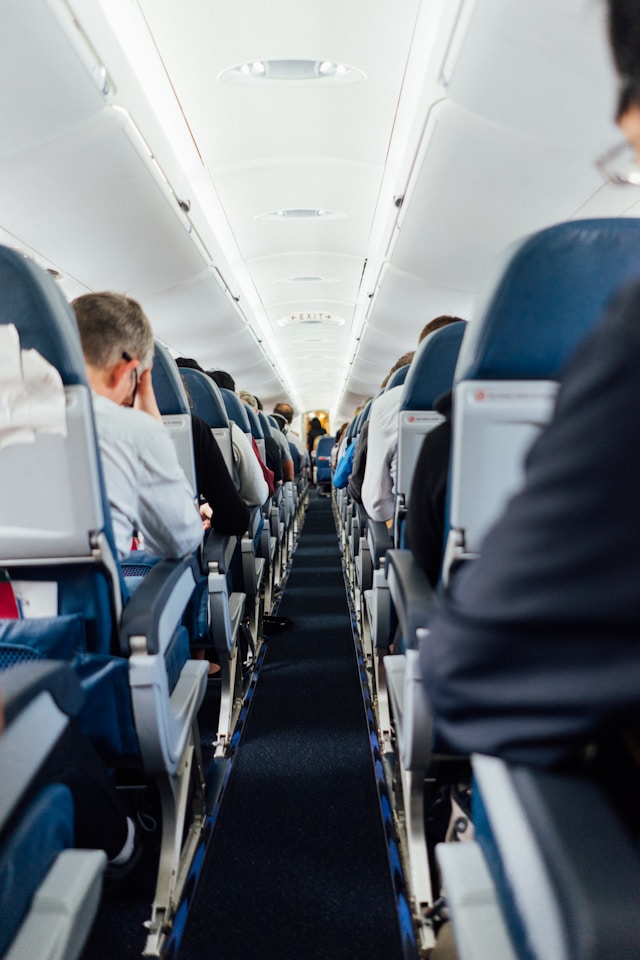
For many aviation enthusiasts, the dream of becoming a professional pilot and flying for airlines is a thrilling career goal. The job offers excitement, travel opportunities, and a significant sense of achievement. This guide delves into the steps, requirements, and expectations involved in becoming a commercial pilot. Why Become a Commercial Pilot? Becoming a commercial pilot offers several benefits: Travel Opportunities: Fly to various cities, countries, and continents. High Salary: Enjoy competitive pay and benefits. Job Satisfaction: Experience the excitement and fulfillment of flying. Career Advancement: Numerous growth opportunities within the aviation industry. Requirements and Prerequisites Before starting commercial pilot training, you must meet these basic requirements: Education: A high school diploma or equivalent is required. Some airlines prefer candidates with college degrees. Age: You must be at least 18 years old. Medical Certificate: Obtain a second-class medical certificate by passing a medical examination. English Proficiency: You must be able to read, write, speak, and understand English. Steps to Becoming a Commercial Pilot 1. Obtain a Private Pilot License (PPL) Ground School: Learn the basics of aerodynamics, navigation, weather, and regulations. Flight Training: Complete practical flight training to perform basic maneuvers, takeoffs, and landings. 2. Accumulate Flight Experience Build Flight Hours: Accumulate at least 250 flight hours, including solo, cross-country, and night flying hours. 3. Earn an Instrument Rating (IR) Instrument Training: Learn to fly using only your instruments, allowing you to navigate through various weather conditions. 4. Obtain a Commercial Pilot License (CPL) Advanced Flight Training: Enroll in a CPL program, which includes advanced maneuvers and cross-country flying. Written Exam: Pass a written test covering aerodynamics, navigation, weather, regulations, and aircraft systems. Checkride: Successfully complete a practical flight test and an oral exam. 5. Acquire a Multi-Engine Rating (MER) Multi-Engine Training: Learn to fly aircraft with multiple engines and pass the flight test. 6. Gain Additional Experience Flight Hours: Gain additional flight hours through jobs such as flight instructor or charter pilot to meet airline requirements. 7. Obtain an Airline Transport Pilot License (ATPL) ATPL Requirements: Accumulate 1,500 flight hours and pass the necessary exams to qualify as an airline captain. 8. Apply to Airlines Resume Preparation: Highlight your flight experience, certifications, and relevant skills. Networking: Attend job fairs, join pilot associations, and connect with industry professionals. Interview Preparation: Be ready to discuss your training, experience, and why you want to work for the airline. Persistence: Keep a positive attitude and continue applying until you secure a position. Training and Education Becoming a commercial pilot involves extensive ground school and flight training: Ground School Aerodynamics: Advanced flight principles. Navigation: Using maps, instruments, and technology. Meteorology: Understanding weather patterns and their impact on flight. Regulations: Comprehensive knowledge of aviation laws. Aircraft Systems: Detailed understanding of aircraft components. Flight Training Basic Maneuvers: Takeoffs, landings, and turns. Advanced Maneuvers: Emergency procedures, steep turns, and stalls. Cross-Country Flying: Planning and executing long-distance flights. Night Flying: Navigating and landing at night. Instrument Flying: Flying solely by reference to instruments. The Checkride The checkride is the final step in obtaining your pilot’s license and includes: Oral Exam: Discussing regulations, navigation, weather, and aircraft systems with an examiner. Practical Flight Test: Demonstrating your ability to perform standard maneuvers and emergency procedures. Job Search and Interviews Once you have the necessary qualifications, it’s time to look for a job with an airline: Resume Preparation: Highlight your flight experience, certifications, and additional skills. Networking: Attend job fairs, join pilot associations, and connect with industry professionals. Interview Preparation: Be ready to discuss your training, experience, and reasons for wanting to work for the airline. Persistence: Keep applying and stay positive throughout the job search process. Life as a Commercial Pilot Here’s what to expect once you secure a position with an airline: Initial Training: Receive company-specific training and aircraft familiarization. Flight Schedules: Be prepared for varying schedules, including long hours and overnight flights. Career Progression: Start as a First Officer (co-pilot) and work your way up to Captain with experience and seniority. Continuous Learning: Stay updated with ongoing training and advancements in aviation technology and regulations. Conclusion Becoming a commercial pilot requires dedication, hard work, and extensive training. The journey is challenging but immensely rewarding. Every step, from earning your first license to completing advanced training and securing a job with an airline, brings you closer to achieving your dream. With perseverance and determination, you can embark on a fulfilling career as a commercial pilot. Happy flying!